What Is ASMR, and Why Does It Relax People?

ASMR stands for autonomous sensory meridian response — a term for the tingling, relaxing sensation, often starting at the scalp, that some people experience in response to specific sounds or visuals.
Common triggers
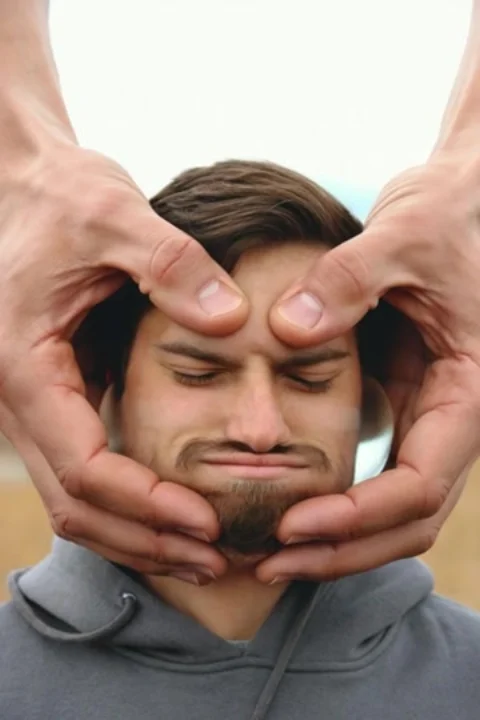
Whispering, soft tapping, slow hand movements, and controlled, repetitive physical actions are among the most reported triggers — many of which show up naturally in squeeze, press, and texture-focused video content.
Not a universal experience
Research suggests a meaningful portion of people simply don't experience the tingling sensation at all, even while still finding the same content calming or pleasant in a more general way — both responses keep the content popular.
Why it's taken more seriously now
What used to be dismissed as a niche internet phenomenon has since drawn genuine academic interest, with studies measuring real physiological changes (lower heart rate, calmer mood) in people who report experiencing ASMR.
Do you need to actively feel 'tingles' for ASMR content to have value?
No — many viewers report simply finding the content calming or enjoyable to watch without a specific tingling sensation, which is a legitimate part of its broad appeal.